

The World's Most Dangerous Demolition Job
- Youtube Views 12 VIDEO VIEWS

21 October 2026
Video hosted by Fred Mills. This video contains paid promotion for KiwiCo.
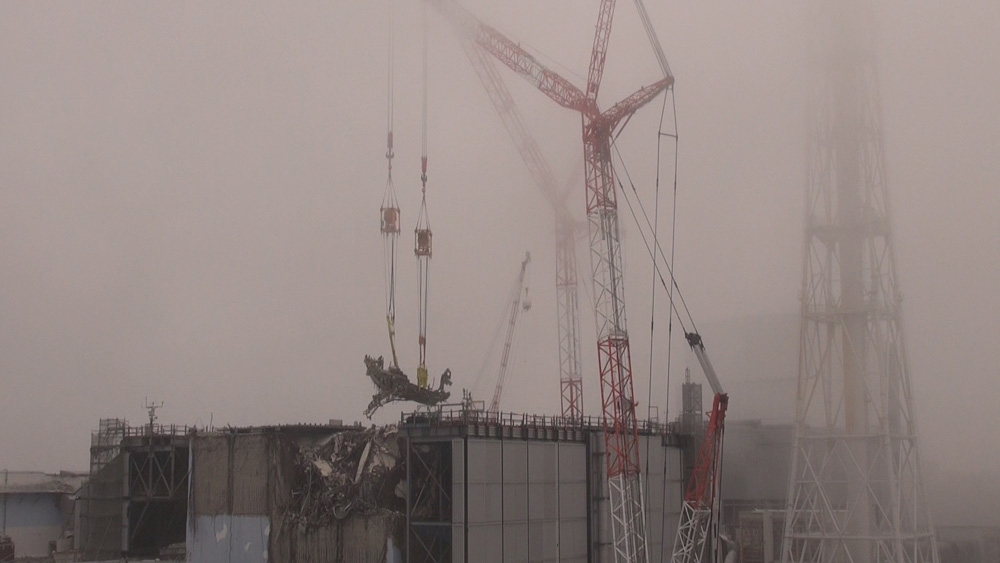
HIDDEN beneath the buildings of Japan’s Fukushima Daiichi nuclear power plant is some of the most dangerous material on Earth.
The radioactive fuel debris was created when three reactors melted down during the 2011 disaster. As temperatures soared, nuclear fuel melted and mixed with surrounding materials, eventually solidifying into irregular masses inside the damaged reactors.
Parts of the debris are so radioactive that a person exposed to the highest recorded levels could receive a fatal dose within seconds. Even robots sent inside the reactors have struggled to survive long enough to complete their missions.
Now, more than 15 years after the disaster, engineers are preparing to remove the material. But the operation is proving far more complicated than originally anticipated, with researchers warning that fully decommissioning the plant could take many decades, and potentially more than a century.
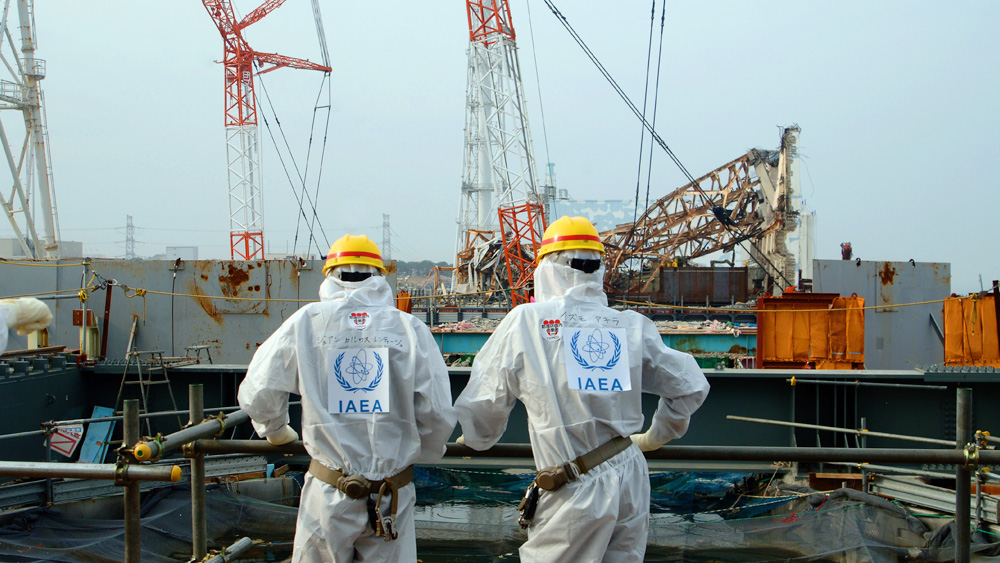
Above: Workers at Fukushima Daiichi Power Plant. Image: TEPCO.
The challenge is not simply to remove the debris. Workers must first understand where it is, what condition it is in and how best to extract it without exposing people to dangerous levels of radiation or causing further contamination.
The crisis began on 11 March 2011, when a magnitude 9.0 earthquake struck off the north-east coast of Japan. It was one of the most powerful earthquakes ever recorded, triggering a tsunami that swept across the region.
At Fukushima Daiichi, the waves overwhelmed coastal defences and flooded critical equipment, cutting off the plant's electricity supply and disabling the cooling systems needed to keep the reactors safe.
Although the reactors automatically shut down after the earthquake, the nuclear fuel continued to generate heat. Without sufficient cooling, temperatures rose until the fuel in three reactor units overheated and melted.
Hydrogen explosions damaged several buildings, while radioactive material was released into the surrounding environment. Tens of thousands of people were evacuated from nearby communities, and large areas were left subject to restrictions because of contamination.
The accident became one of the world's worst nuclear disasters, alongside the 1986 Chernobyl accident in Ukraine. In the years since, the plant's operator, Tokyo Electric Power Company (TEPCO), has worked to stabilise the site and prepare for its eventual dismantling. The government has set a target of completing decommissioning by 2051, although the most difficult stages of the work remain ahead.
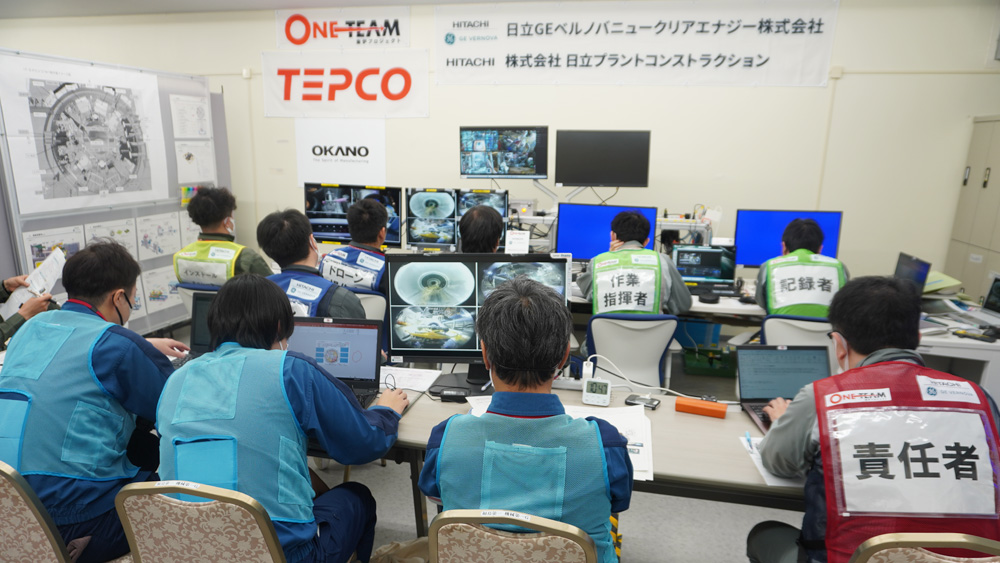
Above: The Tokyo Electric Power Company owns and is responsible for demolishing, Fukushima Daiichi. Image: TEPCO.
Much of the early work focused on bringing the damaged plant under control. Engineers established systems to cool the melted fuel, manage contaminated water and reduce the risks posed by damaged buildings and equipment.
The fuel debris is now in a solid state because it has been cooled, but it remains highly radioactive. Water must continue to be circulated through the damaged reactor structures to remove heat, and the debris cannot simply be lifted out using conventional machinery.
The material is also difficult to assess. It is distributed across the damaged reactor units, and engineers cannot easily see or reach it. Radiation levels inside some areas are so high that conventional inspections are impossible.
In 2017, a probe inside reactor unit two recorded radiation levels of up to 650 sieverts per hour in certain locations. Exposure to such levels could be fatal within a very short time.
This makes remote operation essential. Robots, cameras and specialist instruments must be used to investigate the interiors, identify the debris and collect samples. Each operation is carefully planned, as equipment can be damaged by the radiation or become trapped in the wreckage.
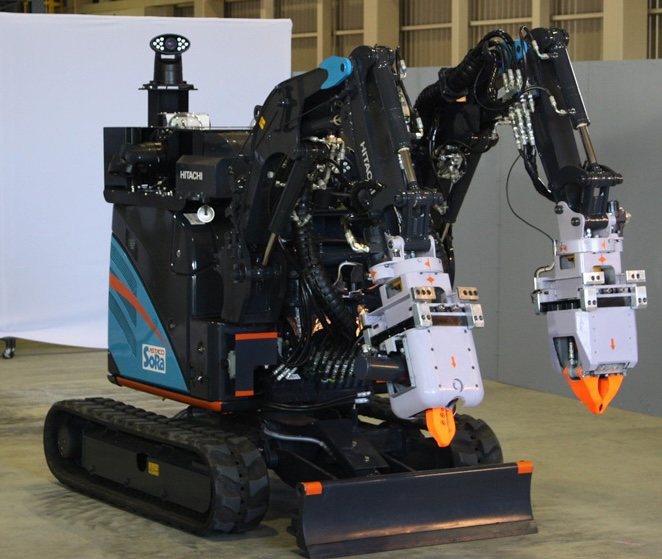
Above: One of the robots used by TEPCO. Image: TEPCO.
The information gathered is crucial. Engineers need to understand the debris's composition, shape and condition before they can determine how to remove it on a larger scale.
The original plans for retrieval have already had to change as the scale of the difficulties has become clearer. What might appear to be a straightforward process of extracting solid material is, in reality, an unprecedented engineering challenge.
TEPCO has been developing equipment that can reach into the damaged reactor structures without putting workers directly in harm's way. One approach uses a telescopic robotic arm equipped with a gripping mechanism. The device can extend into confined spaces and attempt to retrieve small pieces of fuel debris, allowing engineers to study the material outside the reactor.
The initial retrieval operations are deliberately limited in scale. Rather than removing large quantities of debris immediately, engineers are testing whether the equipment can reach the material, grasp it and bring it out safely.
These trials can help establish how the debris behaves and whether the equipment can operate reliably in the hostile environment. The findings will inform the design of future machinery and the methods used for more extensive removal.
But even this first stage presents significant difficulties. The damaged reactor interiors are cramped, the condition of the structures is not always known, and the radiation limits the time that equipment can spend in certain areas.
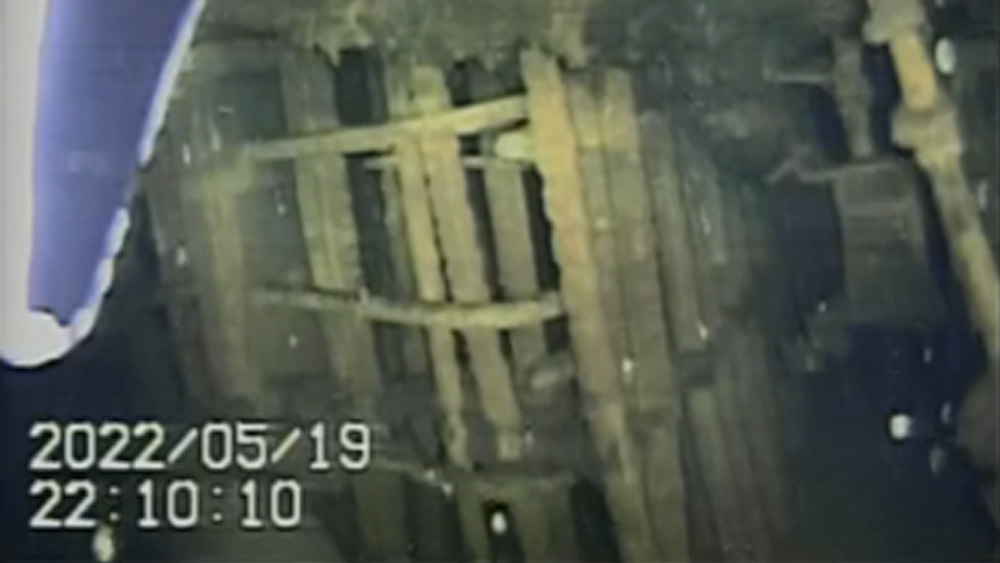
Above: Inside the primary containment vessel of Unit One. Image: TEPCO.
The process also requires careful handling once material has been retrieved. Samples must be transported and analysed under strict safety controls, while the work must minimise the risk of spreading radioactive contamination.
Removing small samples is only the beginning. Large-scale retrieval will require machinery capable of breaking up, collecting and extracting much greater quantities of debris, potentially from areas that are difficult to reach.
One of the most significant obstacles is the role of water inside the damaged reactors.
Water is essential to keep the fuel debris cool, and it can also provide shielding against radiation. In some retrieval methods, engineers would prefer to work in a flooded environment to reduce radiation exposure around the operation.
However, the damaged containment structures were not designed to function as watertight chambers under these conditions. Leaks and the uncertain state of the interiors make it difficult to maintain the water levels that would be needed for some approaches.
Engineers have therefore been studying methods that would allow retrieval to take place in partially flooded conditions. That introduces further complications, since the machinery must operate remotely in spaces that may be wet, obstructed and highly radioactive.
The problem extends beyond the reactor interiors. Groundwater continues to enter parts of the site, where it can mix with contaminated water and increase the volume that must be managed.
To limit this, engineers have introduced a range of measures, including a frozen soil wall around parts of the reactor buildings. Pipes circulate refrigerant through the ground, freezing the soil and creating a barrier intended to reduce groundwater flow.
The system forms part of a wider effort to control water at the site. It cannot remove every source of contamination, but reducing the amount of groundwater entering the buildings helps limit the challenge of treating and storing contaminated water.
Water management remains a long-term responsibility, alongside the removal of debris and the dismantling of damaged structures.The scale of the task means that progress is necessarily slow. Engineers must first investigate the damaged reactors, develop suitable equipment and test retrieval methods before they can begin removing large quantities of fuel debris.
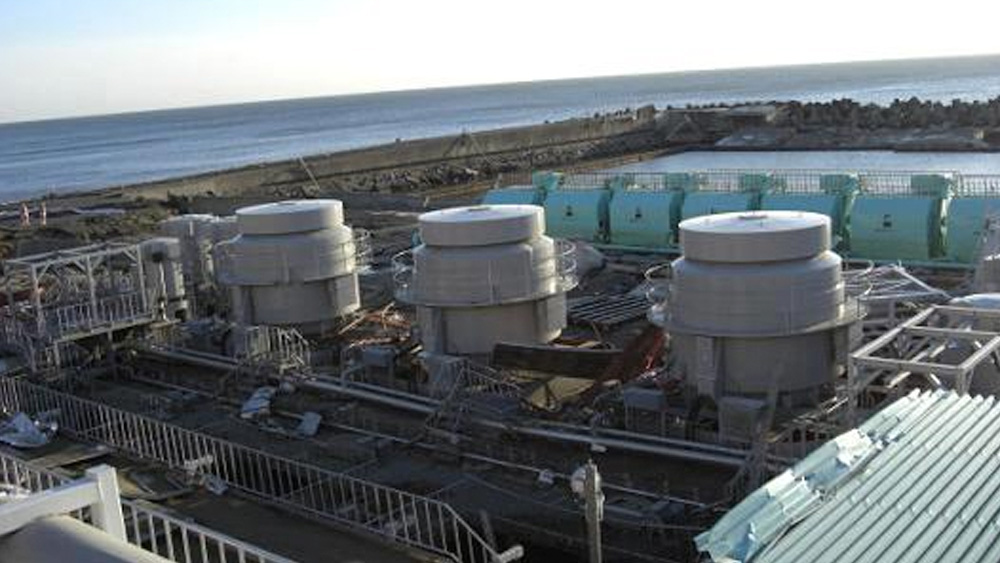
Above: Tanks used for holding seawater. Image: TEPCO.
TEPCO has indicated that the next few years will be used to study how much can be achieved with the current retrieval approach. The company has discussed beginning large-scale removal between 2037 and 2040, although the timetable depends on the results of the ongoing work.
The wider decommissioning programme is intended to be completed by 2051. Yet that target has been difficult to reconcile with the technical challenges that remain, particularly the need to remove the melted fuel and dismantle the damaged reactor structures.
Some researchers have warned that completing the cleanup could take between 70 and 170 years. Such estimates highlight the uncertainty surrounding a project with few direct precedents. The precise timescale will depend on how successfully engineers develop retrieval methods, how much debris can be removed each year and what further difficulties are discovered inside the reactors.
The consequences of the disaster will therefore extend well beyond the generation that witnessed it. Even if individual stages of the operation are completed on schedule, the overall process may continue for many decades.
For the workers involved, there is no simple option to wait for better conditions. The reactors must remain stable, cooling systems must continue to operate and contaminated water must be controlled while the long-term dismantling proceeds.
The work also carries a human responsibility. TEPCO has apologised for the accident and acknowledged the unprecedented nature of the decommissioning effort. The company faces the challenge of safely dismantling the plant while managing the consequences of a disaster that forced communities from their homes and fundamentally changed Japan's approach to nuclear power.
The Fukushima cleanup demonstrates how difficult it can be to reverse the consequences of a major nuclear accident. Engineers have made progress in stabilising the site, reducing risks and developing the technology needed to investigate the damaged reactors.
But the most demanding work remains. The fuel debris must be removed, contaminated materials managed and the damaged structures dismantled, all while maintaining safe conditions for workers and the surrounding environment.
The work depends on decisions about situations that engineers have never encountered on this scale before. Each inspection and retrieval attempt is intended to provide information that will make the next stage possible.
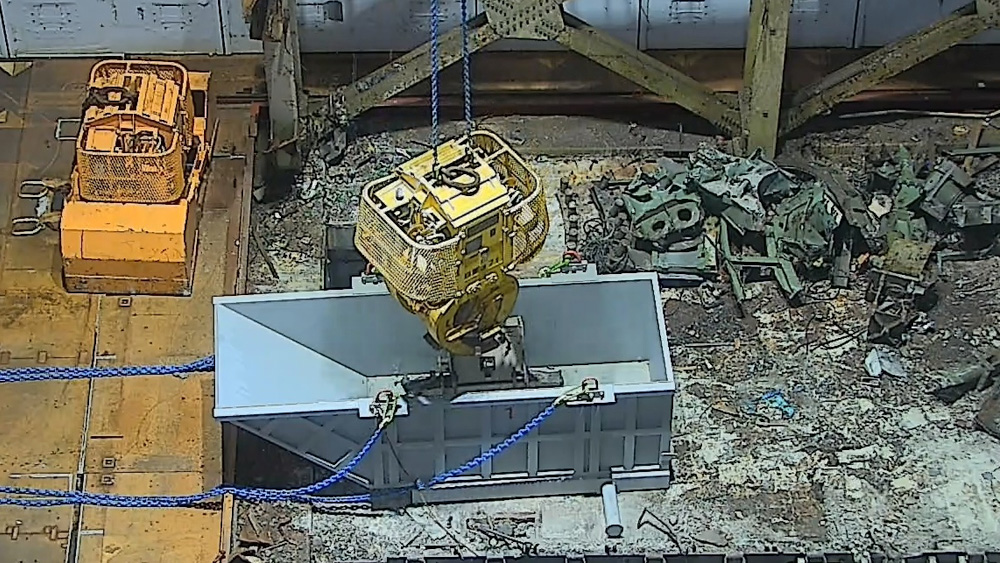
Above: Removing rubble from Unit One. Image: TEPCO.
Fukushima Daiichi was built to generate electricity, not to be taken apart after a catastrophic meltdown. Returning the site to a safe, stable condition is consequently a task unlike almost any other demolition project.
More than 15 years after the disaster, the effort is still in its early stages. The machinery is becoming more sophisticated and engineers are learning more about the condition of the reactors, but the central challenge remains unresolved.
The ultimate goal is to remove the melted fuel and dismantle the plant safely. Whether that can be achieved by the government's 2051 deadline, or whether the work will continue for generations, remains an open question.
Inspire the future engineers of tomorrow with KiwiCo by using code THEB1M for 50% off your first monthly crate. Just head to http://kiwico.com/theb1m to get started!
Additional footage and images: TEPCO, IAEA, CBS, NatGeoTV, Channel 4 News, ZDF, Terrax, Zeitsprung Pictures, BBC, PBS Newshour, Vadim Mouchkin, Clay Gilliand, Tim Porter, Onlooker UK, Artur Korneyev
We welcome you sharing our content to inspire others, but please be nice and play by our rules.
Comments